Water tanks
What is a thermal buffer tank with a domestic hot water (DHW) reservoir?
Domestic hot water tanks, also called buffer or storage tanks, are components of heating systems that act as thermal energy reservoirs. Simply put, they are well-insulated tanks available in various capacities, storing excess heat produced (DHW) that can be used when there is a temporary increase in heat demand in the building.
Hot water is drawn automatically from the heating tank through the heating system: the system itself determines the required amount of water and its temperature at any given time. Buffer tanks are commonly used in systems with heat pumps, but they are also widely applied with solid fuel boilers.
BK buffer tank (buffer/hydraulic separator)
BK buffer tank (buffer/hydraulic separator)
It allows connection of one or two heat/cooling sources. Designed for connection to a 125 mm distribution manifold and an electric heater. Can be installed vertically or wall-mounted.
KOŁTON Buffer Tanks – Series B
KOŁTON Buffer Tanks – Series B
KOŁTON B buffer tanks are devices designed for storing heating water for central heating systems. They are dedicated to working with heating boilers and heat pumps.
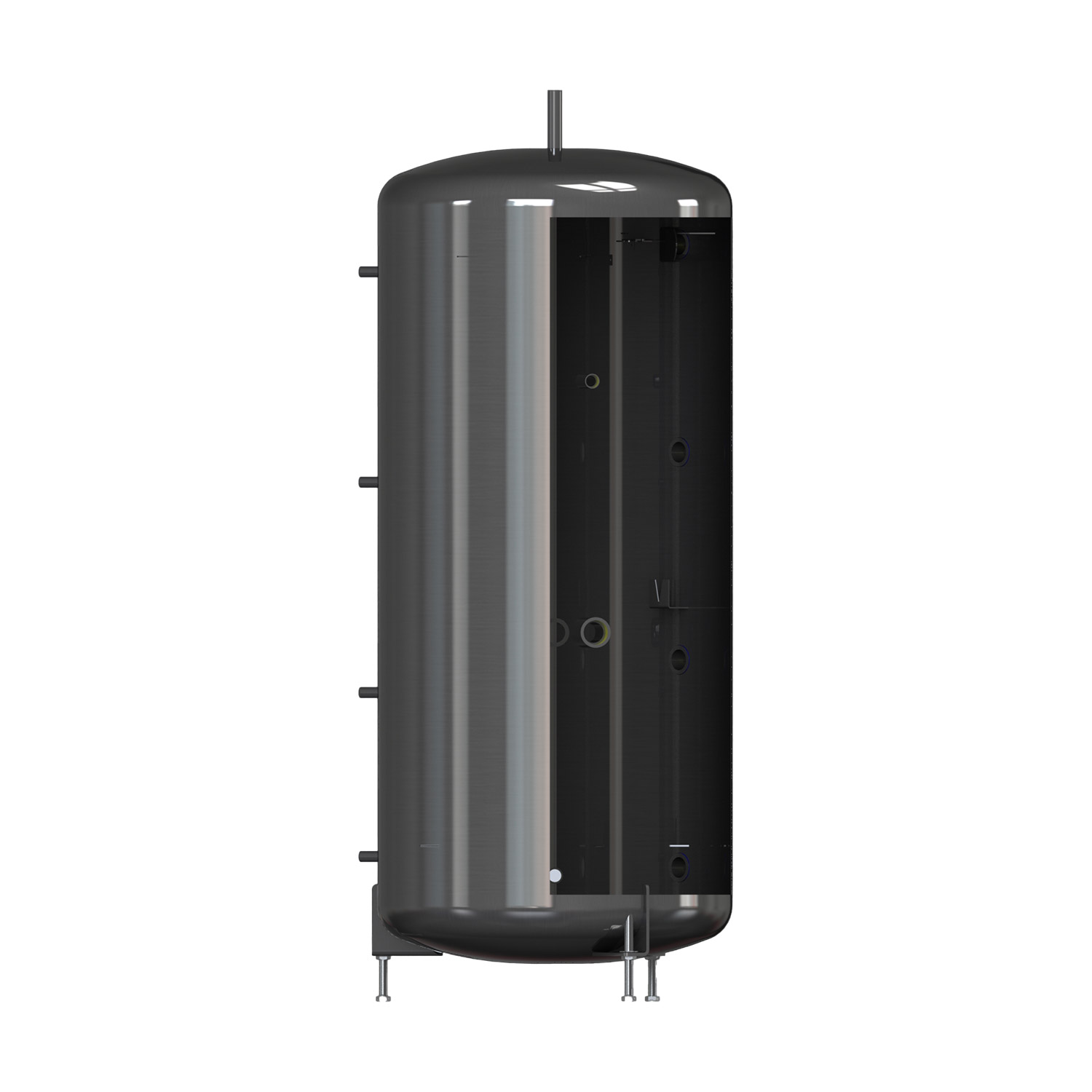
DHW tank with hygienic coil – KOŁTON BW Hygienic
DHW tank with hygienic coil – KOŁTON BW Hygienic
KOŁTON BW buffer tanks are devices designed for storing heating water for central heating systems. Additionally, BW tanks equipped with a stainless steel coil are also intended for domestic hot water (DHW) preparation. They are designed to work with boilers and heat pumps.
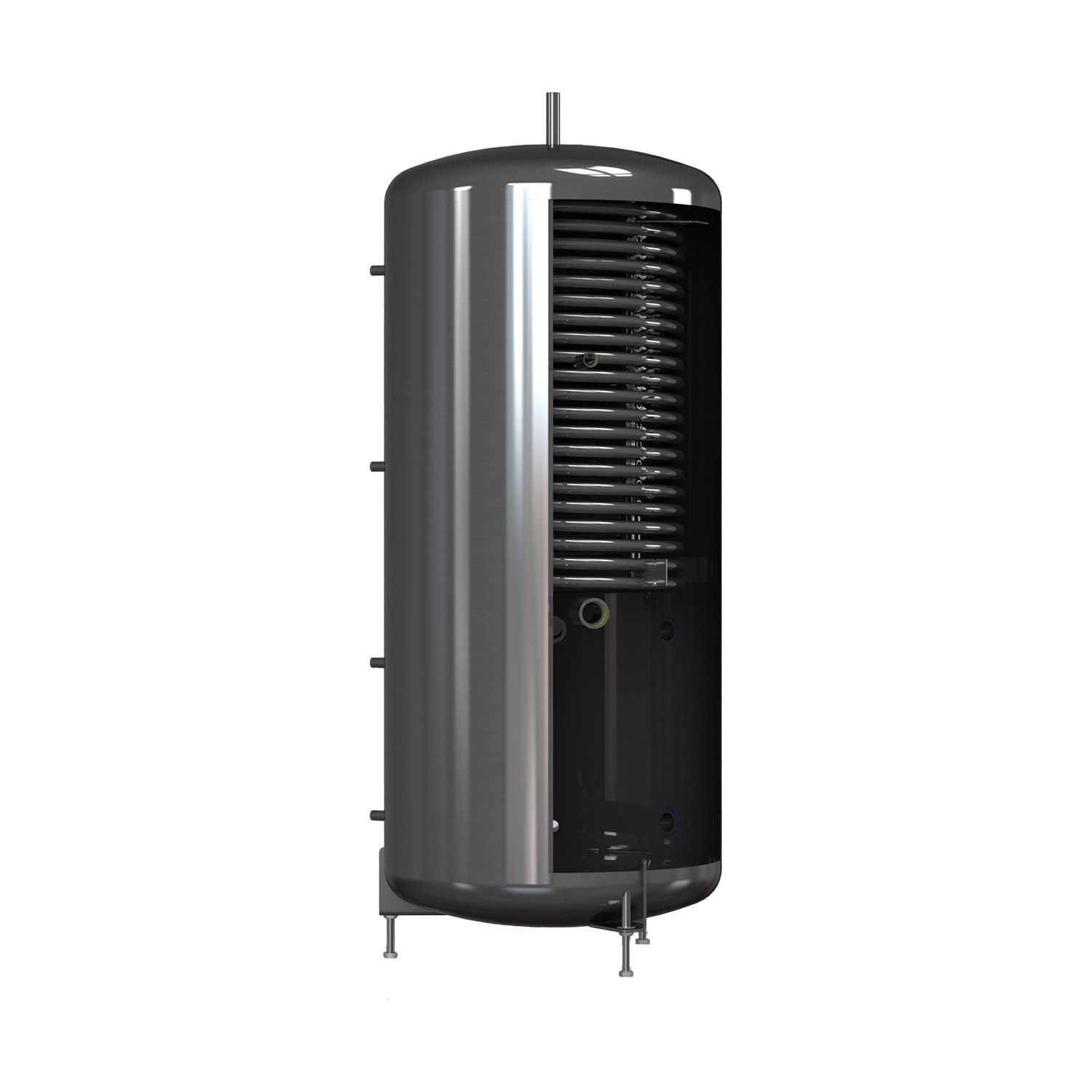
DHW tank with hygienic solar coil – KOŁTON BWS
DHW tank with hygienic solar coil – KOŁTON BWS
Hygienic buffer tanks for DHW with a solar coil, BWS series, are devices designed for storing heating water for central heating purposes. Additionally, BWS tanks, equipped with a stainless steel coil, are also intended for domestic hot water preparation. They are dedicated for use with heating boilers, heat pumps, and solar systems.
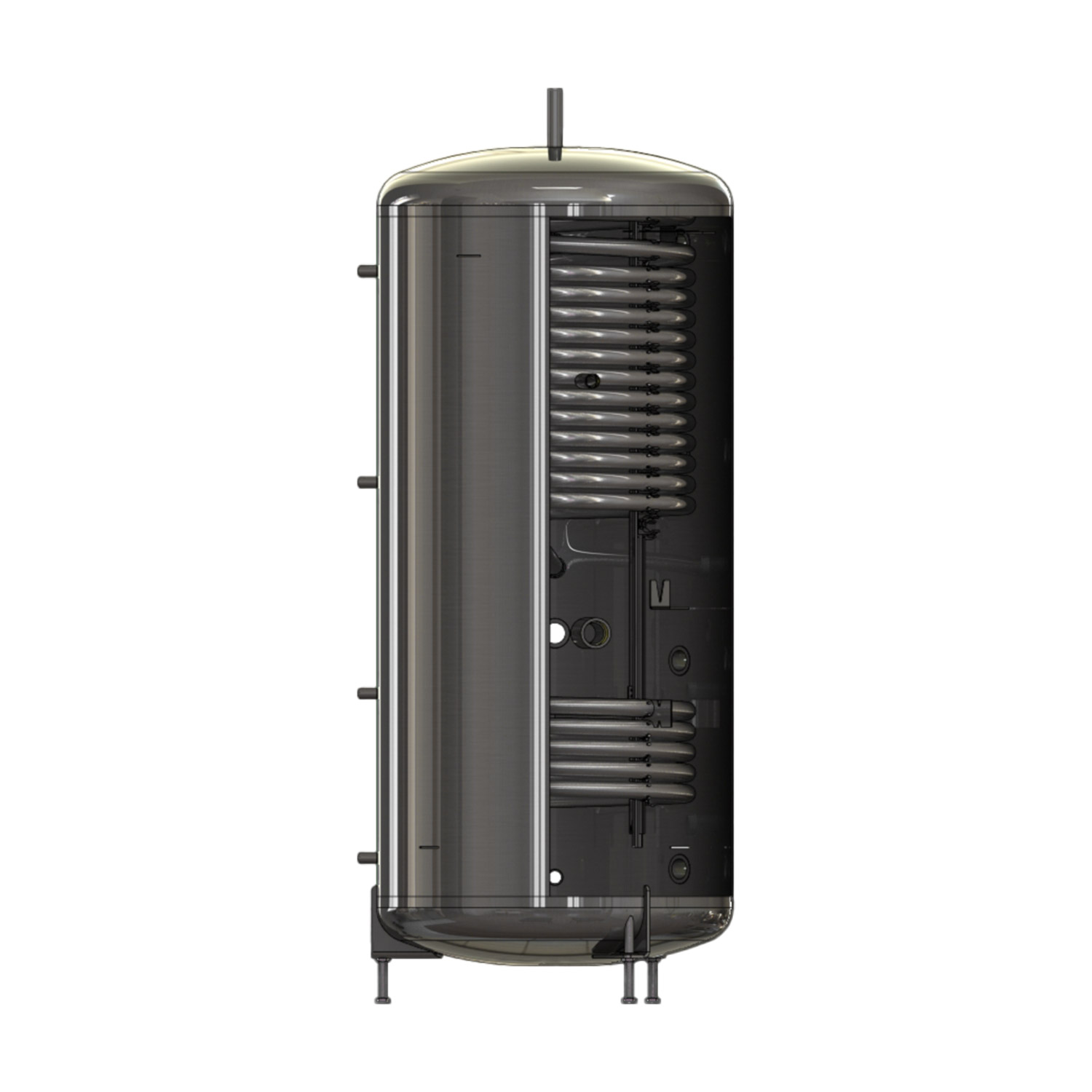
KBW combined storage tank – thermal buffer tank with integrated hygienic DHW reservoir
KBW combined storage tank – thermal buffer tank with integrated hygienic DHW reservoir
The combined buffer + hygienic DHW tank is designed for storing heating water for central heating purposes. Additionally, KBW tanks, equipped with a stainless steel coil, are also intended for domestic hot water preparation. They are dedicated for use with heating boilers, heat pumps, and solar systems.
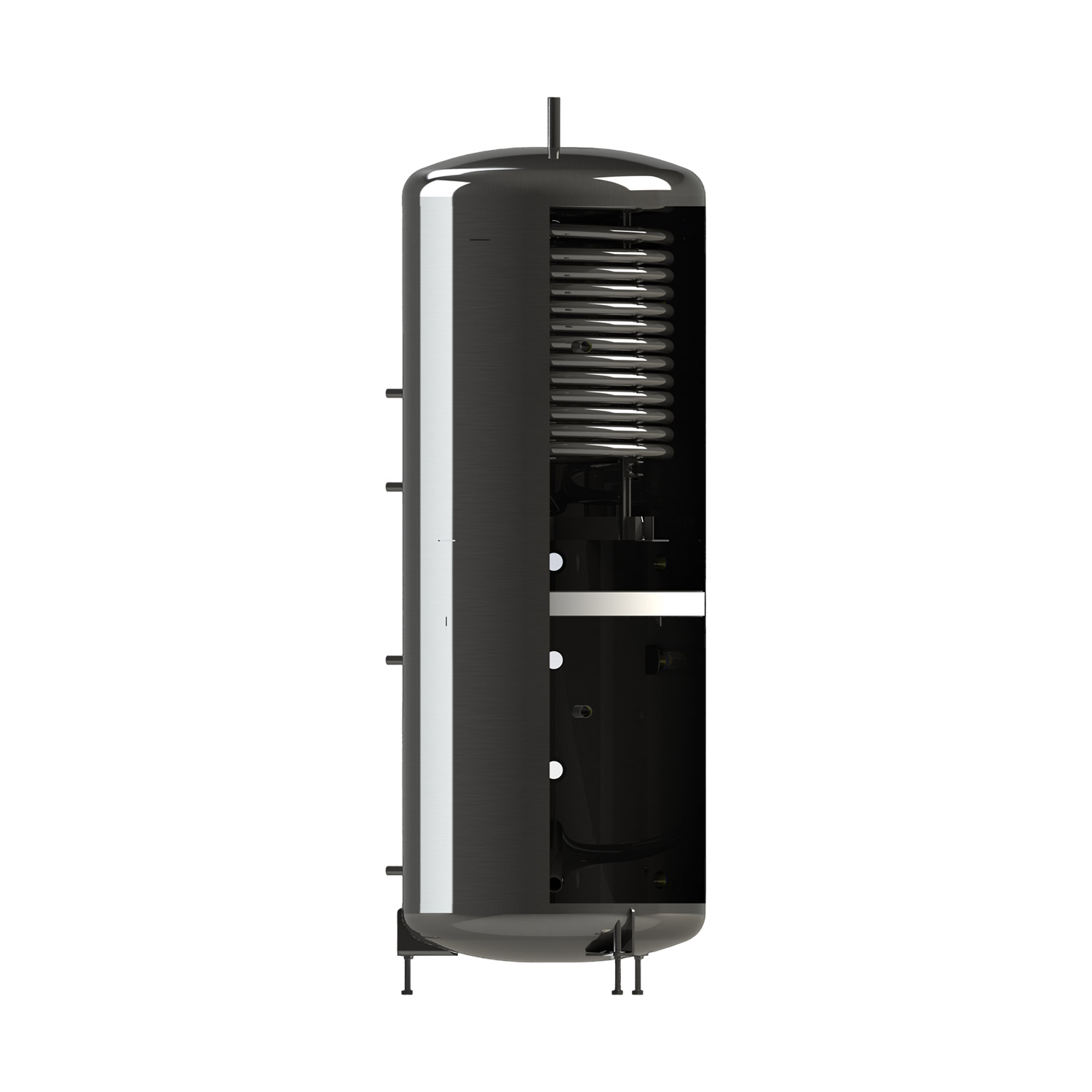
How Does a Thermal Storage Tank Work?
The operation of a domestic hot water (DHW) buffer tank is primarily based on a stratified layering principle: hot water, being lighter than cold water, stays at the top of the tank without mixing with the colder layers below. This allows the boiler or other heat source to work in cycles, heating only the water inside the tank as needed. Once heated, the water retains a high temperature for several days, serving as a thermal energy reservoir around the clock, depending on the tank’s capacity and type.
Is a DHW Tank Necessary?
Using a buffer tank isn’t required for every system or building. Skipping the DHW tank may be considered for:
- Poorly insulated buildings
- Highly energy-efficient buildings
- Buildings with underfloor heating that don’t use additional heat sources
A buffer tank is particularly beneficial in buildings with multiple heating circuits, such as those using both underfloor heating and conventional radiators, or in systems with solid fuel boilers or fireplaces with water jackets.
Advantages of a DHW Buffer Tank
Investing in a CO buffer tank offers numerous benefits:
- Serves as a domestic thermal energy reservoir for immediate use
- Ensures optimal water flow in the heating system
- Reduces the frequency of heat source cycling
- Enables use of dual electricity tariffs
- Lowers overall operating costs
- Extends the lifespan of all heating system components
- Improves combustion efficiency and cleanliness in solid fuel boilers
- Enhances user comfort (less frequent maintenance visits)
- Provides stable and reliable thermal comfort
How to Choose the Right Buffer Tank
The main selection criterion is tank capacity: the larger the tank, the longer it can supply stored heat. However, bigger tanks also require more space. Capacities in our range vary from 55 to 1000 liters, with models designed to work with specific systems and additional features.
When choosing a DHW tank, consider not only capacity but also the type of heating installation it will serve, as this affects the system’s overall efficiency. Our specialists can provide guidance for optimal selection.
Should You Install a DHW Buffer Tank?
There’s no universal answer. However, it’s worth considering when your system uses more than one installation (e.g., underfloor heating + radiators, solid fuel boiler, or heat pump). The tank:
- Optimizes the performance of the entire heating system
- Extends component lifespan
- Generates additional energy savings
- Ensures stable thermal comfort tailored to your needs
FAQ
What is a CO tank?
A CO buffer tank is a thermal energy storage unit, often used with heat pumps. Well-insulated, it stores excess heat and releases it when demand increases in the building.
When is a buffer tank needed?
A buffer tank may not be useful in poorly insulated or ultra-efficient buildings with underfloor heating that do not use additional heat sources. Otherwise, it improves system efficiency, reduces costs, and ensures stable comfort.
Which buffer for CO and DHW?
The choice depends on tank capacity, system type, and additional features. Larger tanks store energy for longer periods, but must be matched to the heating system for optimal efficiency.
Does the buffer heat DHW?
The buffer itself stores heat; water is heated by the connected heat source. Thanks to excellent insulation, it maintains high temperatures for several days and supplies hot water when demand peaks.
How does a DHW buffer work?
Stratified water layers and good insulation ensure heated water remains stored for daily use or even several days. The tank ensures optimal water flow, minimizes heat source cycling, saves energy, and improves overall comfort.
What size DHW tank is suitable for a 4-person household?
Based on average consumption, a 100–300 liter tank is typically sufficient for a family of four.
How large should a CO tank be?
The larger the tank, the longer it can store heat. Choose the size based on household needs, daily hot water demand, and available space, balancing capacity with cost and dimensions.

You don’t know how to choose the right solution?
Specify your needs and we will choose a solution for your investment.